

Egypt is home to some of the world’s most extraordinary ancient monuments, where magnificent temples and royal tombs have stood for thousands of years. These remarkable sites tell the story of one of history’s greatest civilizations, offering visitors a fascinating journey through the lives of pharaohs, powerful gods, and skilled craftsmen. Whether you are a history enthusiast or a first-time traveler, exploring Egypt’s ancient tombs and temples is an unforgettable experience that reveals the country’s rich cultural heritage and timeless beauty.
From the bustling cities of Upper Egypt to the peaceful desert landscapes along the Nile, ancient monuments can be found throughout the country. Every temple and tomb reflects a unique chapter of Egypt’s history, showcasing impressive architecture, detailed carvings, and remarkable engineering that continue to amaze visitors from around the world. Together, these sites create one of the most rewarding archaeological journeys available anywhere on Earth.
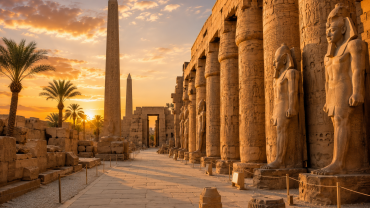
One of the best places to begin your exploration is Luxor, often called the world’s greatest open-air museum. The city is home to some of Egypt’s most famous temple complexes, where towering columns, massive statues, and beautifully preserved reliefs demonstrate the grandeur of the ancient Egyptian empire. Walking through these magnificent structures allows visitors to appreciate the scale and artistic achievements of a civilization that flourished thousands of years ago.
On Luxor’s West Bank lies one of Egypt’s most celebrated archaeological treasures—the Valley of the Kings. Hidden within the desert hills, this royal burial ground served as the final resting place for many of Egypt’s most powerful pharaohs. Visitors can enter several beautifully decorated tombs, where colorful paintings and intricate hieroglyphics remain remarkably well preserved. These underground chambers offer a fascinating glimpse into ancient beliefs about the afterlife and the journey of the soul.
Nearby, the Temple of Queen Hatshepsut stands dramatically against the towering limestone cliffs. Its elegant terraces and unique architectural design make it one of Egypt’s most distinctive monuments. Dedicated to one of the country’s most successful female rulers, the temple reflects both political power and artistic excellence.
Further south, Aswan introduces travelers to another remarkable collection of ancient temples. The beautiful Temple of Philae, located on an island in the Nile, combines stunning architecture with peaceful natural surroundings. Reached by boat, the temple offers a memorable experience that blends history with the beauty of the river landscape. Nearby, the impressive Abu Simbel Temples, carved directly into solid rock by Pharaoh Ramses II, remain among Egypt’s greatest architectural achievements and continue to inspire visitors with their colossal statues and remarkable history.
Traveling between Luxor and Aswan along the Nile also reveals several exceptional temples that are often included in guided tours and Nile cruises. The Temple of Edfu is one of the best-preserved temples in Egypt, while Kom Ombo Temple is unique for its symmetrical design and dedication to two ancient gods. These monuments provide valuable insight into religious life, architectural innovation, and the daily traditions of ancient Egyptian society.
Beyond the well-known landmarks, Egypt is home to many lesser-known historical treasures. The Temple of Dendera impresses visitors with its beautifully decorated ceilings and exceptional preservation, while Abydos is considered one of the country’s most sacred archaeological sites. These remarkable locations offer a quieter and more intimate experience for travelers looking to explore beyond the traditional tourist routes.
Exploring Egypt’s ancient monuments is about more than simply admiring impressive buildings. Every wall, column, and carving tells a story of religious beliefs, royal achievements, and everyday life in one of the world’s oldest civilizations. Guided tours often enhance the experience by explaining the symbolism behind the artwork and the historical significance of each site, helping visitors gain a deeper appreciation of Egypt’s extraordinary past.
The best time to visit Egypt’s tombs and temples is between October and April, when temperatures are cooler and more comfortable for sightseeing. Wearing lightweight clothing, comfortable walking shoes, and sun protection is highly recommended, especially when exploring outdoor archaeological sites. Planning visits early in the morning can also provide a more enjoyable experience while avoiding the midday heat.
Egypt’s ancient tombs and temples are far more than historical monuments—they are timeless masterpieces that continue to tell the story of an extraordinary civilization. From the magnificent temples of Luxor and Aswan to the hidden tombs of ancient kings, every site offers a unique opportunity to connect with the past. For travelers seeking history, culture, and unforgettable experiences, exploring these remarkable landmarks is one of the greatest adventures Egypt has to offer.

Comment (0)