

Egypt is home to some of the most extraordinary temples ever built, standing as timeless reminders of one of the world’s greatest civilizations. These magnificent monuments have survived for thousands of years, preserving remarkable architecture, intricate carvings, and fascinating stories of pharaohs, gods, and ancient traditions. Whether you are a history enthusiast or visiting Egypt for the first time, exploring these ancient temples offers an unforgettable journey into the heart of the country’s rich cultural heritage.
Scattered across the Nile Valley and beyond, Egypt’s temples showcase the remarkable achievements of ancient engineers and craftsmen. Each temple has its own unique history, architectural style, and religious significance, giving visitors a deeper understanding of the civilization that shaped one of the world’s oldest cultures. From towering columns to beautifully decorated sanctuaries, every site reveals another chapter of Egypt’s fascinating past.
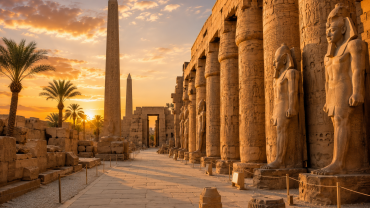
One of the most impressive temples is Karnak Temple in Luxor. Covering an enormous area, it is one of the largest religious complexes ever constructed. Its massive columns, grand courtyards, and towering obelisks demonstrate the extraordinary scale of ancient Egyptian architecture and make it one of the country’s most visited historical sites.
Nearby, Luxor Temple stands proudly in the heart of the city. Unlike many other temples, it was closely connected to royal ceremonies and annual festivals. Beautifully illuminated in the evening, the temple offers visitors a unique opportunity to admire its impressive statues, elegant columns, and remarkable carvings in a magical atmosphere.
On Luxor’s West Bank, the Temple of Hatshepsut is considered one of Egypt’s architectural masterpieces. Built into dramatic limestone cliffs, the temple honors one of Egypt’s most successful female pharaohs. Its elegant terraces and harmonious design distinguish it from many other ancient monuments across the country.
Further south, the Temple of Edfu is one of the best-preserved temples in Egypt. Dedicated to the falcon god Horus, it features impressive gateways, detailed reliefs, and magnificent halls that remain remarkably intact after more than two thousand years. Walking through the temple offers an authentic glimpse into ancient Egyptian religious life.
Kom Ombo Temple provides a unique experience thanks to its unusual double design. Dedicated to two different gods, the temple is perfectly symmetrical and overlooks the Nile River, creating one of Egypt’s most picturesque historical settings. Its fascinating carvings and riverside location make it a favorite stop for travelers exploring Upper Egypt.
One of Egypt’s most iconic monuments is the Abu Simbel Temples, built by Pharaoh Ramses II near the shores of Lake Nasser. The colossal statues guarding the entrance are among the most recognizable images of ancient Egypt. Inside, visitors discover beautifully decorated chambers that celebrate the achievements and power of one of Egypt’s greatest rulers.
The Temple of Philae, located on an island near Aswan, offers a completely different atmosphere. Surrounded by the tranquil waters of the Nile, this elegant temple dedicated to the goddess Isis combines remarkable architecture with stunning natural scenery. Reaching the temple by boat adds to the unforgettable experience.
North of Luxor lies the Temple of Dendera, famous for its exceptionally well-preserved ceilings and intricate astronomical carvings. Its remarkable condition allows visitors to admire colorful decorations and detailed reliefs that have survived for centuries, making it one of Egypt’s finest examples of ancient temple architecture.
Another remarkable destination is Abydos Temple, one of Egypt’s most sacred religious sites. Dedicated to the god Osiris, the temple is admired for its beautifully carved walls and historical significance. Many historians consider it one of the most important temples for understanding ancient Egyptian beliefs and religious practices.
Completing the list is the Temple of Kalabsha, located near Aswan. Often overlooked by many travelers, this impressive Nubian temple showcases elegant architecture and peaceful surroundings that reward those looking to explore beyond Egypt’s most famous attractions. Its unique location and fascinating history make it a hidden gem worth visiting.
The best time to explore Egypt’s ancient temples is between October and April, when temperatures are more comfortable for sightseeing. Lightweight clothing, comfortable walking shoes, sunscreen, and plenty of water are recommended throughout your journey. Joining guided tours can also provide valuable historical insights that help visitors better appreciate the significance of each remarkable site.
Egypt’s ancient temples are far more than archaeological landmarks—they are enduring symbols of a civilization that continues to inspire the world. Each temple tells its own story through magnificent architecture, artistic masterpieces, and centuries of history. Whether you visit one or all of these incredible sites, you will experience a journey through time that reveals the remarkable legacy of ancient Egypt and creates memories that will last a lifetime.

Comment (0)